

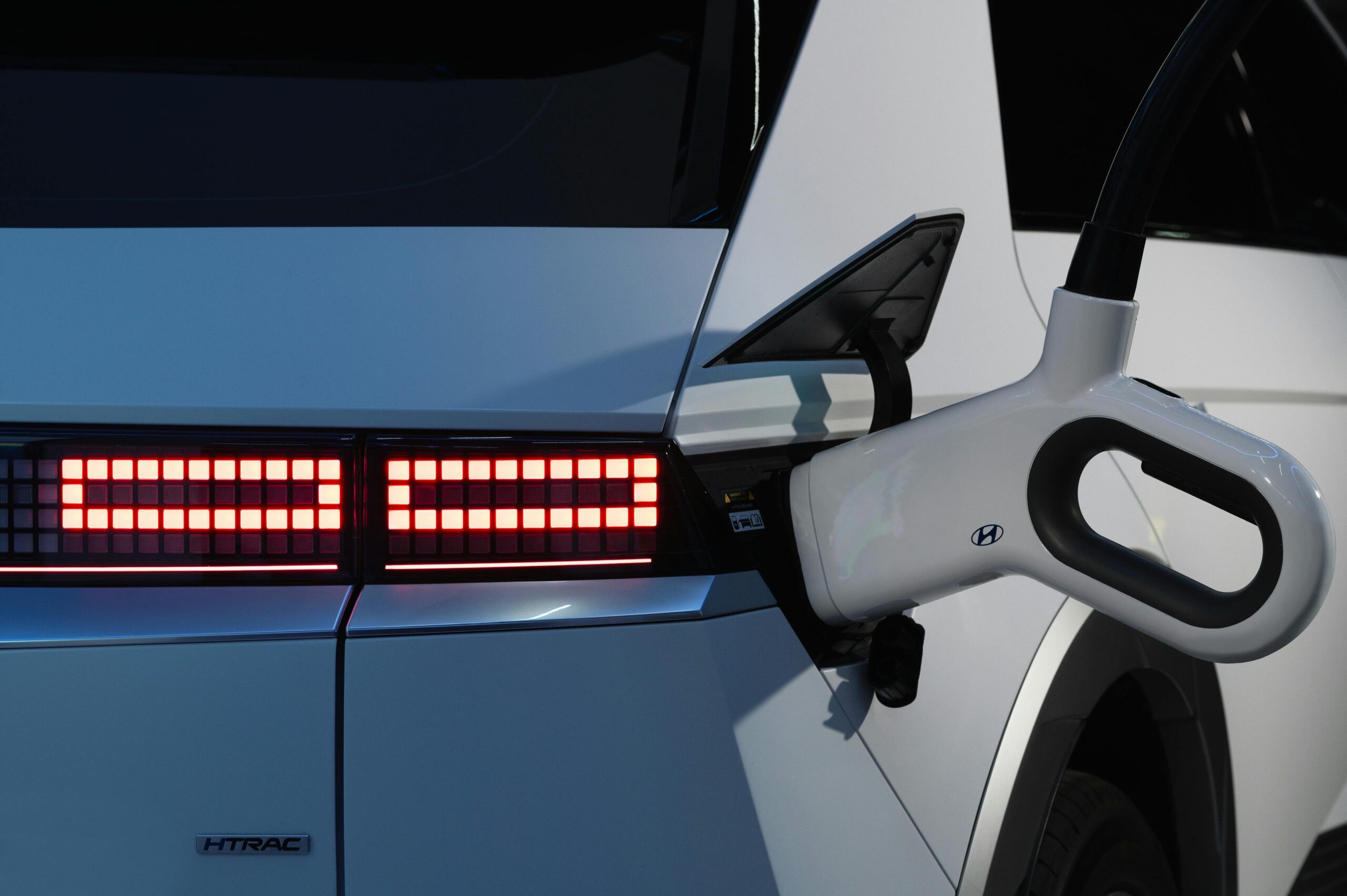
For more than a century, the global auto industry has been built on steel, oil, and scale. Today it is being rewired by three structural forces that will define the sector for decades: electrification, software-defined vehicles, and a sustainability mandate that touches everything from supply chains to end-of-life recycling. These are not fads or short-lived cycles; they are long-duration themes that will determine which automakers thrive and which are left behind.
For investors, executives, and policymakers, understanding these forces is critical because autos sit at the intersection of climate policy, industrial strategy, consumer technology, and capital markets. The companies that navigate this transition effectively are likely to create durable competitive advantages, while those that treat it as a marketing exercise risk margin compression and stranded assets.
Electrification Moves From Niche to Norm
Electrification is no longer a side bet. Around the world, governments are tightening emissions standards and setting aggressive targets for reducing transport-related carbon output, pushing automakers toward battery-electric and hybrid powertrains. In response, manufacturers have committed hundreds of billions of dollars in capital expenditures to electrified platforms, battery plants, and associated supply chains, transforming the economics of the industry.
This shift is not purely regulatory. Consumers increasingly expect vehicles that deliver lower running costs, strong performance, and a smaller environmental footprint. Electric vehicles (EVs) offer instant torque, quieter cabins, and lower maintenance requirements because they have fewer moving parts than internal combustion engine (ICE) cars. As battery costs trend downward over the long term, the total cost of ownership for EVs is expected to become structurally more competitive in many markets, even before subsidies.
Hybrid vehicles play an important transitional role in this landscape. By combining an internal combustion engine with electric propulsion, hybrids improve fuel efficiency and reduce emissions while relying on the existing fuel-refueling infrastructure. For many consumers, they serve as a bridge technology—delivering some of the benefits of electrification without requiring a full shift to charging infrastructure or range-planning behavior.
For investors and operators, the key question is not whether electrification will grow, but how fast and where. Adoption curves differ by region depending on policy support, grid reliability, charging infrastructure, and household wealth. Markets with strong incentives, dense urbanization, and robust electricity networks will likely lead, while others may move in stages, with hybrids and plug-in hybrids acting as stopgaps.
Cars Become Software Platforms on Wheels
Electrification gets much of the attention, but the rise of the software-defined vehicle may prove just as transformative. Modern cars are increasingly computers on wheels, packed with sensors, connectivity, and onboard computing power. Advanced driver-assistance systems (ADAS), over-the-air updates, and connected services are progressively shifting value from hardware to software.
This has several long-term implications:
- Revenue mix: Automakers are exploring recurring software and services revenue, from subscription-based features to data-driven offerings, aiming to smooth cyclicality and expand margins beyond one-time vehicle sales.
- Product cycles: Over-the-air updates allow manufacturers to add features, improve performance, and fix bugs remotely, extending a vehicle’s functional life and altering how consumers perceive product generations.
- Competitive dynamics: The importance of software stacks, user interfaces, and data integration opens the door for tech firms and suppliers to capture a larger share of value. OEMs must decide which capabilities to build in-house and where to partner.
Connectivity via 5G and other high-speed networks underpins this transition. Faster, more reliable wireless communications enable richer in-car services, real-time navigation updates, and continuous data collection from vehicles in use. That data, in turn, feeds digital twins and simulation environments that help automakers improve designs, optimize maintenance cycles, and refine autonomous driving systems.
From a strategic perspective, the auto sector is becoming more like the smartphone ecosystem: hardware remains essential, but the differentiation and monetization increasingly happen at the software layer. The companies that successfully integrate both will be better positioned to maintain brand loyalty and pricing power over time.
Sustainability Becomes a Core Business Constraint
While electrification addresses tailpipe emissions, the broader sustainability challenge runs through the entire lifecycle of a vehicle—from raw materials to manufacturing, usage, and end-of-life. Regulators, investors, and consumers are all demanding more transparency and measurable progress toward net-zero goals, making sustainability an operational requirement rather than a branding exercise.
Automakers face several structural sustainability pressures:
- Lifecycle emissions: Companies are being pushed to measure and reduce their product carbon footprints (PCFs) across the full value chain, including upstream materials and downstream use. Standardized greenhouse gas (GHG) data and lifecycle assessments are becoming central to compliance and investor disclosure.
- Resource efficiency: Regulators and customers increasingly expect circular economy practices—greater use of recycled materials, design for disassembly, and robust recycling programs for metals, plastics, and batteries. This reduces dependence on volatile raw material markets and minimizes waste.
- Manufacturing footprint: Plants are under pressure to cut emissions, reduce water usage, and increase reliance on renewable energy. Investments in more efficient HVAC systems, water recycling technologies, and on-site renewables not only reduce environmental impact but can also lower operating costs over time.
Lightweighting is another enduring theme. By using advanced composites and optimized structures, automakers can cut vehicle weight, improving range for EVs and fuel economy for ICE and hybrid vehicles. At the same time, they must ensure durability and safety, since extending vehicle lifespan is itself a sustainability lever.
For companies, sustainability strategies increasingly influence capital allocation decisions, supply-chain design, and partnerships. For capital markets, robust environmental, social, and governance (ESG) performance can affect cost of capital, index inclusion, and long-term valuation multiples.
Policy, Infrastructure, and the Role of the State
Unlike purely digital industries, the automotive transition depends heavily on physical infrastructure: charging networks, grid capacity, renewable energy generation, and roads capable of supporting connected and potentially autonomous vehicles. As a result, public policy will continue to play a central role in shaping the sector’s trajectory.
Governments in major markets—including the United States, Europe, China, Japan, and India—are aligning mobility policies with broader climate and industrial strategies. This includes tighter fuel-economy and emissions standards, EV purchase incentives, infrastructure funding, and in some cases local content rules aimed at fostering domestic manufacturing.
For automakers and suppliers, this policy landscape introduces both opportunities and complexity:
- Incentives can accelerate demand for cleaner vehicles and de-risk investments in new technologies and plants.
- Differing regional regulations increase supply-chain complexity and compliance costs, forcing companies to tailor product mixes and strategies across markets.
- Industrial policies may favor local champions or partnerships, prompting foreign firms to reconsider where and how they invest.
Investors must assess which companies are best positioned to navigate these regulatory regimes, secure public support where available, and adapt quickly as rules evolve. Policy risk is now a core component of auto-sector analysis, not a peripheral concern.
What This Means for Investors and Operators
The convergence of electrification, software, and sustainability is reshaping the auto industry’s risk and return profile. While the capital intensity remains high, the sources of value creation are changing, and so are the markers of resilience.
For investors, several durable themes stand out:
- Platform flexibility: Automakers with modular platforms that accommodate multiple powertrains can respond more nimbly to regional demand shifts and evolving regulations, reducing stranded asset risk.
- Software capabilities: A credible roadmap for software-defined features, data monetization, and connected services will increasingly matter for margins and valuation, even if the revenue mix evolves gradually.
- Sustainability execution: Clear, measurable progress on lifecycle emissions, circular materials, and factory efficiency can serve as a proxy for management quality and long-term risk management.
For industry operators, execution risk is high, but the strategic direction is clear. The winning playbook is likely to involve disciplined capital allocation, thoughtful partnerships across technology and energy ecosystems, and a willingness to rethink traditional business models—from dealership structures to aftersales service.
An Industry in Structural, Not Cyclical, Change
Cycles of boom and bust are nothing new in autos. What is different today is that the industry is undergoing structural change on multiple dimensions at once: powertrain technology, software content, regulatory expectations, and sustainability requirements. These are long-horizon forces that will shape the sector for decades, not quarters.
For readers who view the auto market through the lens of long-term investing, industrial strategy, or corporate governance, the key is to distinguish between noise and signal. Short-term headlines around monthly sales, incentive programs, or model launches matter far less than a company’s ability to adapt to this new paradigm.
Electrification, software-defined vehicles, and sustainability are not optional storylines to bolt onto the traditional auto narrative; they are the narrative. Understanding how they interact—and which companies are building coherent, credible strategies around them—will remain essential for anyone trying to make sense of the future of mobility and the capital that finances it.